

The First-Ever All-Woman Spacewalk
Astronauts Christina Koch and Jessica Meir set history-making all-woman spacewalk. The mission was live streamed by NASA. Their mission was maintenance update, replacing a failed power controller. This was the fourth spacewalk for Koch and the first for Meir. According to CNN, Based on their position on the platform, the astronauts were able to see the Earth pass beneath their feet.

See it live here : https://www.pscp.tv/NASA/1vOxwapRAMoGB?t=8h57m15s
Part of the team was Stephany Wilson who talked to the astronauts from Mission Control during the #AllWomanSpacewalk?

Stephanie D. Wilson is a veteran of three spaceflights, STS-120, STS-121, and STS-131 and has logged more than 42 days in space. Born in Boston, she attended high school in Pittsfield, Mass., and earned her Bachelor of Science in Engineering Science from Harvard University in 1988. Selected by NASA as an astronaut in April 1996, she flew her first space shuttle mission in 2006, then flew subsequent shuttle missions in 2007 and 2010. Wilson has served as the Space Station Integration Branch Chief from 2010 to 2012, and she has also served as a member of the 2009, 2013 and 2017 Astronaut Selection Boards. As a member of the Astronaut Office, she is currently the Mission Support Crew Branch Chief.
https://www.nasa.gov/astronauts/biographies/stephanie-d-wilson
During today's #AllWomanSpacewalk, @GirlsScouts shared well wishes for @Astro_Christina & @Astro_Jessica, both of whom are #GirlScouts alum.
Does this story inspires you ? Then heres how you can apply to be an austronaut https://www.nasa.gov/astronauts/biographies/stephanie-d-wilson

The Creative Minds Behind Emerging Talent Milan

Tariel Bisharyan( CEO Emerhing Talents) and Russ Ev (PR Director).
US Lifestyle Magazine sits with one of the creators of Emerging Talent Milan Russ Ev (Ruslan Evseev), who in collaboration with Tariel Bisharyan( CEO Emerhing Talents) brought Emerging Talents Milan project to an international audience.
How did “Emerging Talent ” come to fruition?
When I met my business partner Tariel (CEO Emerging Talents Milan) he was organizing fashion presentations for his clients, and he already had his own showroom. I was doing events for young designers in Milan and LA. We decided to join forces and offer emerging designers a “full service” experience that included a showroom and press office. We started with small presentations. Now we have two shows during Milan Fashion Week in the most prestigious locations, followed by an accessories/beauty trade show. So the name Emerging Talents Milan basically reflects what we do.We help to promote Emerging Brands from all over the world, helping them to build up a strategy to enter new markets.
How does your past prepared you for this project?
I used to live in US, Singapore, Hong Kong and other countries. Worked as contributor in several magazines, as fashion editor, and then editor in chief, in the same time was doing several projects in PR. So Emerging Talents Milan let me combine two things I love the most: fashion and public relations. And I believe life in 10 countries gave me a possibility to know incredible amount of interesting people, who I still work with.
How would you describe your identity?
Curios, always listening to my heart, as I believe doing what you love is the shortest way to the happiness.
How important is it for you to experience others cultures?
I was lucky enough to experience living in US, Asia, Russia and Europe.Those experience affected my personality, opened me up to the world. Lets put it this way: I believe living in different cultures educated me more than any of educations (Bachelor, Masters) I received in Universities.
What people have shaped your personal style?
I work with Emerging designers from all over the world. They are my source of inspiration, they shaped my style. Tariel (CEO Emerging Talents Milan) and myself created a creative community of designers, stylists, photographers, artists. Everyone is unique, and everyone brought something new to our vision. I am not afraid to experiment with my personal style, but in daily life I prefer black jeans, white t-shirt and white sneakers.

Emerging Talent Milan Team before the show
How would you describe the American style ?
Very laidback, easy, without trying too hard.
How has the collaboration between cultures benefit your project ?
It is not just a platform for emerging designers. As said earlier, this is a community of like-minded people, who do not trying to compete with each other, but support.
Our designers come from parts of the world: China, Russia, Thailand, Italy, France, UAE, Brazil, USA; different cultures, ideas, views on lifestyle, fashion, but with one common goal to increase the awareness towards sustainability, promoting ethical credentials of their products.
They are not just showcasing their collections on the same stage, they are building up bridges between their countries, creating new collaborations and expanding they network.
Can you tell our reader about your biggest influence? Who do you admire today and why?
Nature is my biggest influence. As nature gives me all the answers and never stops to amaze me.
What does the future hold for “emerging talent" ?
We have just launched a series of pop up stores and charity sales this August, bringing our designers to Yerevan, the capital of Armenia.
We are planning to “export” this project to Middle East, Asia, Latin America. There are no limits to what you can achieve, as long as you really love what you do. Our team is very result-oriented, and our aim is to make Emerging Talents Milan one of the world’s leading platforms promoting talented fashion professionals: not only the designers, but also stylists, photographs, makeup artists etc.

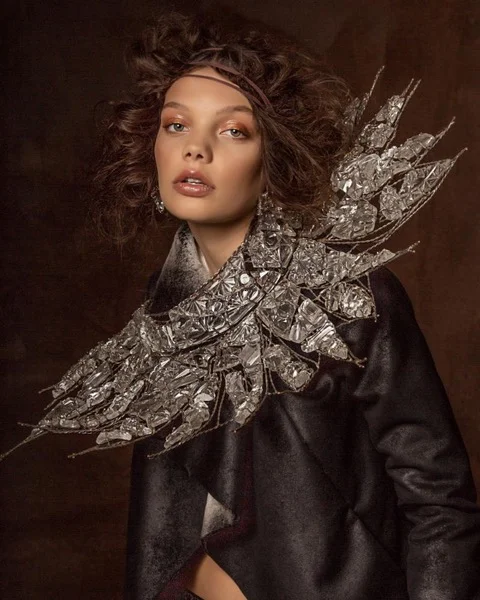
Meet the 'Ambassador of Wearable Art'

The Rise of Contemporary Studio Jewelry with Lisa M. Berman, Owner of Sculpture To Wear & Berman Arts Agency
Known as the “Ambassador of Wearable Art,” Lisa M. Berman was one of the first people to promote and sell art jewelry to consumers through her gallery, Sculpture to Wear. She joined the Jewelry Journey podcast, where she talked about the history of the Sculpture to Wear brand, why architects were some of the first people to buy art jewelry and the important questions to ask before donating a jewelry collection. Read the transcript below.
Sharon: Hello everyone. Welcome back to the Jewelry Journey podcast. Today, my guest is Lisa Berman, owner of Berman Arts Agency and Sculpture to Wear Gallery for two decades. The gallery is now celebrating its 20th anniversary and was one of the first galleries on the west coast to promote art jewelry. Lisa is known as the ambassador of wearable arts. Her profession and passions intersect at fashion, art and jewelry. She’ll tell us all about her journey and how she makes this all work today. Lisa, welcome to the program.
Lisa: Thank you, Sharon. I’m really looking forward to this.
Sharon: Delighted to have you. You cross so many worlds: jewelry, art and fashion. I can find a little bit about you in each one as I do some Googling. You also have a very interesting history. You were one of the first people in Southern California to promote and sell art jewelry—in fact, your gallery was the way I first heard about art jewelry. Can you tell us about your journey in art, fashion and jewelry?
Lisa: Yes, definitely. It was a journey and it started as a teenager. Actually, I grew up in a family of fashion designers. My great grandmother was in the fashion industry and designed for the theatre. My mother had a company called Instant Reaction in downtown Los Angeles, and I used to ride my skateboard up and down the California Market. Then, I continued my love for fashion.
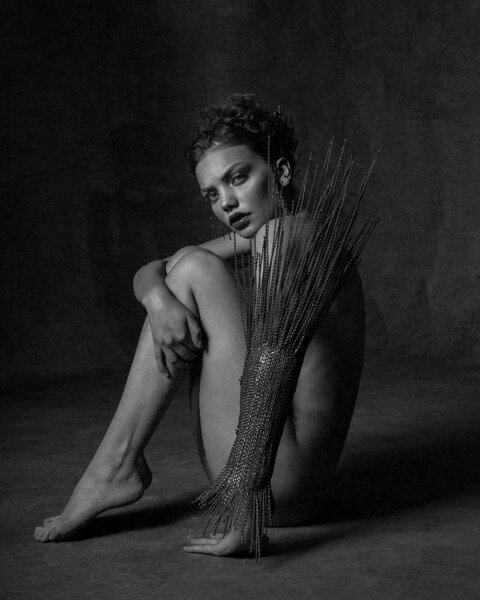
After I graduated from high school, I attended FIDM, where I decided that I was going to go into the business of fashion. I wanted to learn the business of fashion, and I did that, but even before that—let me digress in regard to jewelry. I had always loved jewelry and played in, of course, my grandmother’s, my great-grandmother’s and my mother’s jewelry boxes, and was constantly either going to vintage stores or garage sales and putting things together and making unexpected and aesthetic choices. I was really excited by wearing something different, even in high school. A lot of times, people didn’t understand it and they made fun of me, but that was okay. I liked the individuality of expressing myself in an artistic way. That, of course, was celebrated and continued when I was in design school in Los Angeles, as I had mentioned to you, and from there, I went into designing mostly accessories, believe it or not, for the activewear industry. I was working with Vuarnet , Maui & Sons and Mossimo—and we all know Mossimo’s designs at Target. I actually designed his very first handbag line. I still have some of those pieces with me today, and as a matter of fact, I did one just last week.
I was in the fashion industry and accessories industry for a while, and then I took a jewelry making class with Trish McAleer, who you probably know from the Orange County jewelry scene. This is 34 years ago, maybe. I took the jewelry class with my mother and really fell in love with making jewelry, but I also found that I didn’t have the patience to sit there hammering the metal. I loved color and gemstones. They weren’t my passion, but I loved colors, so I did some research and found out that I could work with plastics. That was in the 80s. I took and earned a degree in plastic technology, which is all about mold making and manufacturing, etc. Karen McCreary was in my class at Long Beach State, and she and her partner at that time were actively making jewelry for the television show “Star Trek: The Next Generation” as we were in this class together. Of course, it was dominated by men. There were only three women in the entire class, and everyone was an engineer, aerospace engineer, car designer, etc. That really opened my eyes to other possibilities, so that was fun.

I do have history with some of these people for many, many years. From that particular course, I started designing accessories under the name “Statements Accessories,” and I wore all the hats. I was in my late 20s and thought I could do everything and probably had the energy to do so, but maybe not the experience or the wherewithal. I designed and manufactured handmade accessories, mostly with acrylic. A lot of these pieces were laser cut and then flame-polished because the laser machines and all the technology we have today would alleviate all the extra steps. Then I thermo-formed them, which was basically bending with heat. I sold to some boutiques and some major stores, like Bloomingdale’s and Broadway and Macy’s, and I did in-store trunk shows. That was a lot of fun, until I learned that there were issues of being undercapitalized when you’re waiting for large stores like that to pay you for six to nine months. It was definitely a learning experience. I learned everything from marketing to manufacturing to sales presentation. That really was a solid foundation for me to traverse into the next major chapter in my life, which was Sculpture to Wear.
Sharon: And how did you come to that? How did you discover art jewelry?
Lisa: I had been introduced to art jewelry on a cursory level through the work and the patronage of Helen Drutt. My family is from Ohio and we spent some time in Philadelphia. My mother introduced me to Helen’s artists, so I was made aware of those types of pieces. That was the beginning of seeing what was possible. I already knew about vintage jewelry, highly manufactured jewelry, but this was a completely different world. Then, in October 1998, I was introduced to studio jewelry, wearable art jewelry, through artists in Los Angeles and Cindy Brown, who would become my gallery manager for Sculpture to Wear. I acquired the name Sculpture to Wear. It was available for acquisition, so I did that in October 1998. Then, January 16th, 1999, I had my very first show at Bergamot Station.

Sharon: In Santa Monica.
Lisa: Yes, Bergamot Station Art Center, which is still there. Ironically, it was in the very back of Gallery of Functional Art, which is owned by Lois Lambert. I had a few shows there and then eventually went on to open up my own gallery in Bergamot Station. It was really fortuitous. There were a number of artists that were in the inaugural show there who will be participating in my 20th anniversary show. It was a very exciting time with art jewelry. It was also an uphill battle coming from the fashion world, which was really trend-driven and very fast-paced in regards to making copies of pieces and creating five or six collections per year. This was the complete antithesis. These were individual pieces or extremely limited-edition pieces, and it was about the clientele. It was about introducing work that was unique and had mystique on its own without having a trend attached to it. It made a statement and didn’t necessarily have the usual components of jewelry, like gold or gemstones or pearls, even though they could incorporate them in a completely unexpected way. Literally, it took a while to introduce this thought process and it was an educational process. I remember having my books at the gallery constantly and referring to them and having pages marked. It was very rewarding when that bell curve began to turn. Ironically, some of my first clients were male architects. Architects would come in and revel in these designs. They saw them almost as little working maps to what they were designing in their heads for buildings or homes. They would purchase pieces, mostly brooches, or they would bring in their significant others or wives and introduce them to the work. That’s how the doors opened up at Bergamot for this work.
Sharon: Wow! It’s so interesting to hear you tell the story because it underscores your strong personality. When you talk about swimming upstream, it seems like that’s everything you’ve done here, from wearing something different when you were a teenager to doing plastic jewelry. It seems to have led you to art jewelry, which is so individualistic, and about expressing yourself without a trend.
Lisa: It’s very fulfilling and it wasn’t always easy. My story is not too dissimilar from a lot of the artists who were exploring their own ideas of art and art jewelry and expressing themselves while they’re sitting at their benches day after day; then there was an opportunity to have their self-expression shown in an exhibition or gallery or in some editorial.
I don’t recall who created that title of “Ambassador of Wearable Art,” but I took that on a personal level, that I was their voice; I was their conduit to help explain their work to a larger audience, which were the collectors and stylists and publishers who were in the fashion magazines. That were really important, I think, to introduce this wearable art into the fashion magazines. Now we see a lot of times, people will open up Vogue or whatever it may be, and you see these large statement pieces. This is what these artists, the studio jewelers, wearable art jewelers, had been making already for decades. I was grateful to be able to help introduce their work into that world. One of the most important people to do that, even decades before me, was Robert Lee Morris. This will give you a little bit of background history of Sculpture to Wear Gallery.
“ I was their conduit to help explain their work to a larger audience, which were the collectors and stylists and publishers who were in the fashion magazines.” - LISA M. BERMAN

I have been the proud owner for only two decades. It’s actually a 45-year-old brand from New York City. The original owner, Joan Sonnebrand’s commitment was to show jewelry made by artists, for example, Alexander Calder, Salvador Dali. She didn’t show anything other than wearables. Then she met Robert Lee Morris. Unquestionably, he was so innovative and his prices were also relatively accessible. He outsold all of the other artists combined in her gallery, which later closed. He went on to open Art to Wear in New York City, and this is where some of the most iconic and most adventurous pieces have come from.
Just to give you an introduction to Robert Lee Morris, since people are not aware of his imprint, he crossed over from studio jewelry and into Art to Wear into the tremendous global mainstream before we even used the word “global,” with his friendship with Donna Karan. She worked for Anne Klein in the 70s and decided to branch out on her own. When she did, she had this fantastic line. This was in the late 70s, early 80s. The women were coming out of the homes and into the workforce, and she created this interactive collection of pieces of clothing with his bold, gold jewelry. For example, you couldn’t wear the skirt without the belt, and all of this. That was how he helped her make her mark in the fashion industry, with big, gold pieces in accordance with her fashion collection. These are also the pieces that women still collect today. When I hosted his 35-year retrospective at Sculpture to Wear in 2005, when we had moved to Montana Avenue, women came out in droves. They brought the pieces they had collected from him from the 70s and 80s, and he actually brought a Dremel and signed them individually. It was a really exciting show. His book, “The Power of Jewelry,” talks a lot about this transitioning from studio jewelry into the fashionable world. He still lives in both worlds, so I’m happy to say he’ll be part of our 20th anniversary celebration.
Sharon: That’s quite a journey! A couple of things, because we have all different audiences listening to you. You mentioned FIDM. In L.A.—and there may be one in New York, too—it’s the Fashion Institute of Design and Merchandising.
Lisa: Yes, FIDM is Fashion Institute of Design and Merchandising in Los Angeles, and that is where I earned my merchandising and marketing degree. We also have Otis College of Art and Design, where they have a very formidable fashion department. I was actually on the Board of Governors for Otis for a couple of years, specifically focused on fashion. Digressing back to FIDM, they have a museum as well for fashion, and then of course you have FIT.
Sharon: Yes, and Otis had a partnership with Parsons out here for a few years.
Lisa: Yes.
Sharon: Helen Drutt is one of the masters when people talk about art jewelry. Can you tell us a little bit about that?
Lisa: Yes. When you mentioned her name, that’s an emotional trigger for me because when we talk about my uphill journey, it was nothing compared to what she—I wouldn’t say endured, but what she came up against. I believe the reason that art jewelry is so important to the United States today is because she is single-handedly responsible for bringing art jewelry to the United States, period. That could be argued by someone, but that is my point of view. I have been honored to know her throughout the years. Certainly, there’s an opportunity to get to know her better, but she’s so important. She helps the artist, clearly, and the collectors, and she has been so focused on wearable art and studio jewelry. She and I haven’t always seen eye to eye, because I naturally have lived in the world of fashion and personal style while having this passion for wearable art, where she’s more focused just on the wearable art. For me, it was sticking to and maintaining my authentic voice, which is being comfortable in both worlds and expressing myself with an aesthetic that portrays both industries. I think that’s really important.

Sharon: Absolutely. What made you decide to close your gallery, Sculpture to Wear, on Montana Avenue?
Lisa: It was mostly a personal issue. I had just given birth, and unfortunately, my husband was diagnosed with terminal cancer. I knew that I could handle having a gallery because I always had an amazing staff. I could handle having a gallery with a young infant, but I couldn’t take on that third element, with my husband being terminally ill. That’s why I did that, and it was a struggle to come back and figure out what was appropriate. I had been asked by a few gallery owners to either host a Sculpture to Wear show at their space or to curate various shows, and that brought me in. It led me back into my passion for Sculpture to Wear. It’s been interesting, because I would say that two elements, social media and technology, have played a role in how the industry has changed and how studio jewelry or wearable art has changed since I was involved in it and was immersed in it on a daily basis, seven days a week at my gallery.

Jeanet Metselaar
Sharon: What are the trends you’re seeing? There’s so much talk about what millennials want. What are your thoughts about how places like Sculpture to Wear can continue to thrive and bring in new people?
Lisa: Well, Sharon, that’s the million-dollar question. I have a few thoughts on that. Sometimes, when I get a little frustrated, I think about the legacy. A lot of what I do is legacy-driven, and that comes from my great-grandmother; it comes from looking at what Helen Drutt has created. I’ll never forget, I was sitting in the middle of the atrium at Laguna Beach Art Museum and I was hosting a Sculpture to Wear benefit. It was pouring rain and no one was there. All of a sudden, I got this message from Robert Lee Morris, and I told him about my frustration and how I was just about to quit, and he said, “Lisa, I’m not done, so you’re not done. Go back and sell some jewelry.” It was so poignant. The timing was incredible.
I think what’s important in any legacy is education. It’s telling the story about why these pieces are important. It’s not just a piece of jewelry. It has importance because it tells a story, or there’s an element of cultural history that may be included in it. It may be 3D printed, but the aesthetic value comes from a tribal custom, whether it’s Sweden or Africa. When people are looking at something and they think it’s weird and they don’t know how to respond to it, and you begin to walk them through the journey about why that piece is made, how it was made, you can see they have an aha moment. Now, they still might not wear that piece of jewelry, but it becomes an understanding and an appreciation of the value of the piece and especially the maker. That’s legacy driven as well, and I think that that’s an important element to this, and also having museums collect this work. We know of the Helen Drutt Collection in Houston and Lois Borden’s collection at LACMA and we see these contemporary art museums, not just craft museums in New York, but contemporary art museums collecting this work. That’s really an integral and important step in creating awareness and credibility for this genre.
‘I think what’s important in any legacy is education. It’s telling the story about why these pieces are important. It’s not just a piece of jewelry. It has importance because it tells a story, or there’s an element of cultural history that may be included in it.”
- LISA M. BERMAN
Sharon: You also mentioned that you’ve helped several collectors. You facilitated the process of them donating the collections to major museums, whether it’s art or art jewelry, and that people are often surprised at what it takes in terms of time. A lot of times, museums are not opening their arms and saying, “Oh, thank you.” What are your suggestions about what people need to think about if they want to donate a collection?
Lisa: Also, there are two possibilities. One is that there is a collector who wants to donate or they actually want to sell their collection. That’s another story as well. Even with a collector who wants to donate, you have to make sure that you are looking at the correct placement. Does it make sense for that small collection or that large collection for that particular location? It may be your first choice, but what are their values for presenting the works? Do you have confirmation that this will be on view every five years, or it will be on view every five months? Are they just about to close their museum or institution for renovations and, if so, where will these pieces go? Will they be loaned? Looking at the history of their collections, maybe they’ve collected historical costumes from the 1800s in the past, so how does your contemporary studio collection from the 50s, 60s and 70s or 80s fit into that? Is there a synergistic mission? How is your collection going to be viewed as a part of it, and how is it going to be integrated in a way that’s celebrated and noted, not just with the institution, but with the public? These are some of the questions that I ask, not only with the collectors and the donors, but also the institutions. Basically, it’s about interviewing all of the entities and making sure the right connections are put into place. It’s a laborious process, like you mentioned. Sometimes you think the museums are there with open arms, but the fact is, they collect responsibly. They want to answer all the aforementioned questions I posed—can they store it properly? What is their calendar like? Then there are committees, and sometimes the committee has just met and they don’t meet for another six months or whatever it may be, or there is a piece that was omitted from the proclamation and it has to be added, so you have to wait another six months. It’s a laborious process, but it also depends upon the size of the institution. That answers a little about that.
And yes, I worked with a private collector who just placed three pieces of studio jewelry into LACMA last year, and I’m happy to say that this particular collector acquired them from my own personal collection. When we met with LACMA, these were the particular pieces that they chose. One was a puzzle necklace and a William Clark, who’s a deceased artist jeweler from San Francisco. I acquired that from Velvet Da Vinci when they were still open. The last was a rubber necklace that was created by the inner tube of a golf cart in the Netherlands. That was a piece that I had placed into editorial on the cover of Bazaar magazine a number of years ago, probably 2001. Those are the three pieces.
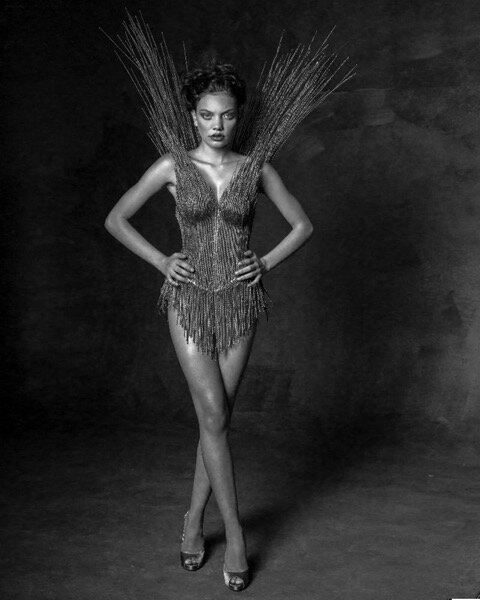
Sharon: Wow! Lisa, before we close, tell me about Berman Arts Agency and what you’re doing there, and what Sculpture to Wear is today, because you’re virtual. What should people be thinking?
Lisa: The reason that I created the name of Berman Arts Agency is through my relationships in Sculpture to Wear. I had met a number of fine artists. I knew them from the art world, and they wanted to re-establish themselves in the community of the art world, and it would be odd to represent a fine artist or a sculptor or a photographer under the name Sculpture to Wear. So I selected Berman Arts Agency to cover that massive umbrella. Then, there were projects I wanted to do that were out of the direct scope of Sculpture to Wear, but still incorporated some of those principles. With Berman Arts Agency, I had an opportunity to place a photograph in The Getty, place three jewelry pieces into LACMA, and I just secured a small museum show for Bonnie Schiffman at the National Comedy Center museum in upstate New York. I’m also working with the sculptor Daniel Oropeza, who won Art Prize 2017. We just secured a location in Orange County for his collection at an outdoor sculpture garden on the west coast, which will be unveiled later on this summer. So, those are things that were beyond the scope of Sculpture to Wear but still of interest, but my main focus and my main passion still is Sculpture to Wear. Having the Berman Arts Agency was also honoring the journey of a lot of these jewelers that I knew that had children, and because of their children’s interest in technology, had ventured into 3D printing or had gone into other avenues. They wanted to incorporate all these various principles and mediums into their own work, and how do I celebrate that beyond Sculpture to Wear?
I’m excited to see what’s possible and to reconnect with some of the artists I haven’t heard from or seen in years, and to collaborate with artists that have remained close. It’s a very exciting time.
Sharon: It sounds very exciting, and I know I’m looking forward to your show. I just want to mention to people who might not be familiar that LACMA is the L.A. County Museum of Art, fondly known as LACMA out here. Congratulations so much on your 20 years and on everything you’ve accomplished. I give you a lot of credit. I don’t know if it felt like it, but it seems to me that it took a lot of fortitude to keep going upstream. Lisa, thank you so much for being here.
To everybody listening, we’ll have Lisa’s contact information in the show notes at The Jewelry Journey.com. That wraps up another episode. If you like what you heard and would like to hear more, you can subscribe on iTunes or wherever you download your podcasts, and please rate us. We’ll be back next time with another thought-provoking guest giving us their professional take on the world of jewelry. Thank you so much for listening. https://thejewelryjourney.com/podcasts/lisa-berman/
FIND LISA :
IG - @sculpturetoweargallery
FB: Sculpture To Wear
Sculpturetowear.com

Milan Fashion Week - New Global Fashion Brands To Watch
Milan Fashion Week is one the world’s biggest fashion event where thousand of fashion professionals travel to the world fashion capital to discover new brands and talented designers. Emerging Talents creative platform selects and promotes new talented designers all-over the world. The aim is to support to create a professional network that leads to enlarging sales or even to reach the very first sell-points. Here are 5 brands to watch.
Merrige by eLSi


Gianluca Alibrando

GIANLUCA ALIBRANDO
A passionate bridge between pure visual and musical art. The shapes of Gianluca Alibrando, a clear neoclassical inspiration, the importance of true harmony, a sophisticated and unprecedented stylistic combination of passions - Fashion and Music - of the Artist.
The New Collection is a rose offered to a Woman who wants to accept the gift of an ideal concept of Grace, Style, Refinement and Politeness… a pinch of Art in everyday life.


DESIGNER , GIANLUCA ALIBRANDO
Rendà
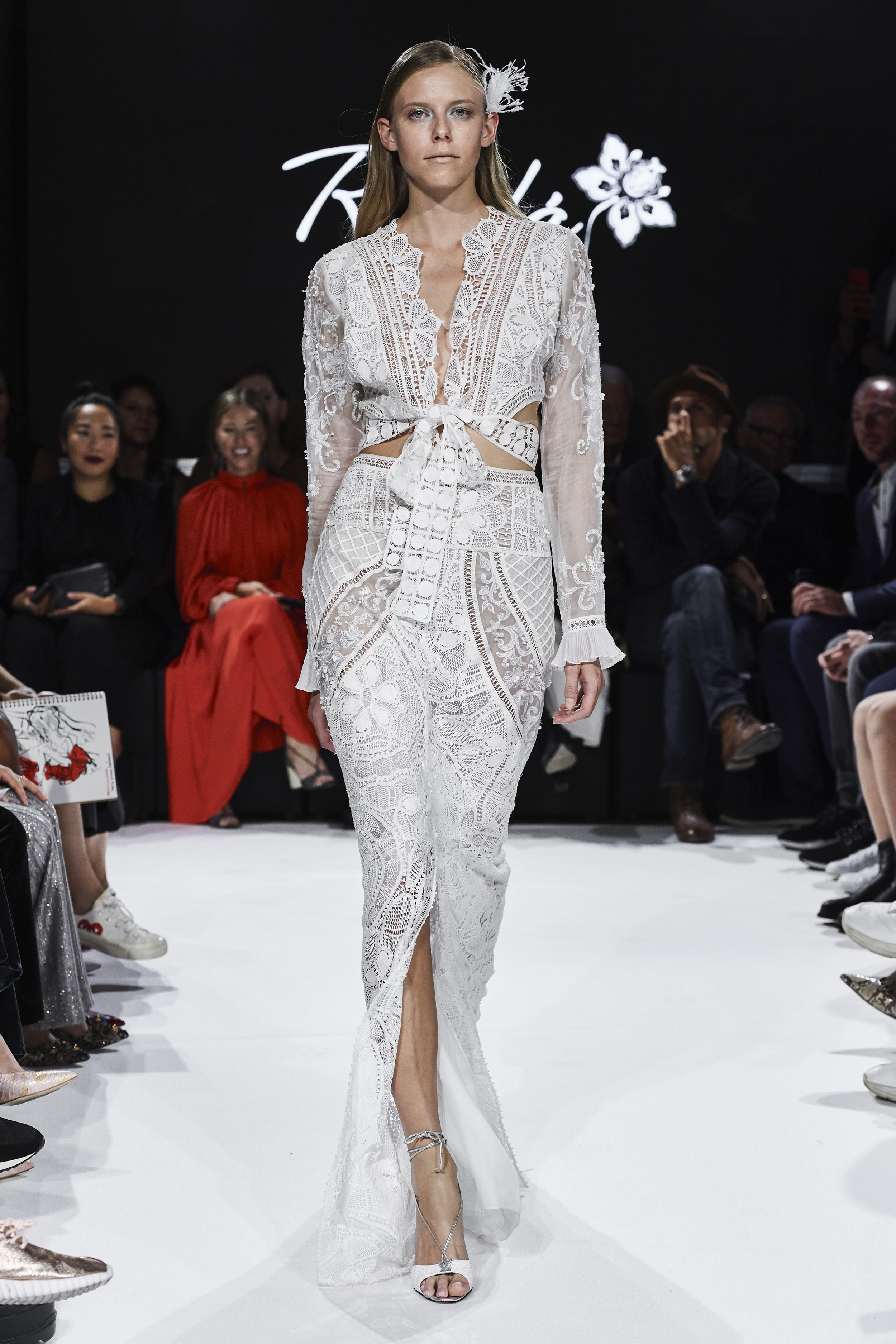
Camila Arraes is the creator of Rendà and she is absolutely in love with everything that is singular and unique. In the production, they work with handmade laces such as the renaissance lace, the bilro, the richelieu embroidery and the labyrinth. All the creations are developed by the careful work of the seamstresses that, using thread, talent, needle and lace, turn cotton yarn into art. Rescuing the renaissance lace tradition, that came originally from Italy and was spread through our northeastern backcountry by the Portuguese.
Rendà is born from the talent of northeastern women that create and recreate their knowledge through their delicate, laborious and unique handwork. Among the simplicity and luxury, the brand maintains the tradition of the lace seamstresses alive, rescuing the strength and femininity of the brazilian woman.


KF - Kelferey

The brand KF - Kelferey is eco-sustainable, that uses recyclable and resale cloth. The pieces are unique and custom made. The KF style is to dress a conscious women with a vision of the future, valuing the organic rather than the industrial.
Their goal is to dress with personality and conscience.
The brand DNA is 100% brazilian, the prints and modeling reveal the braziliannes around the world, through fluid and elegant fabrics will lead these women to cross borders in pursuit of their goals.
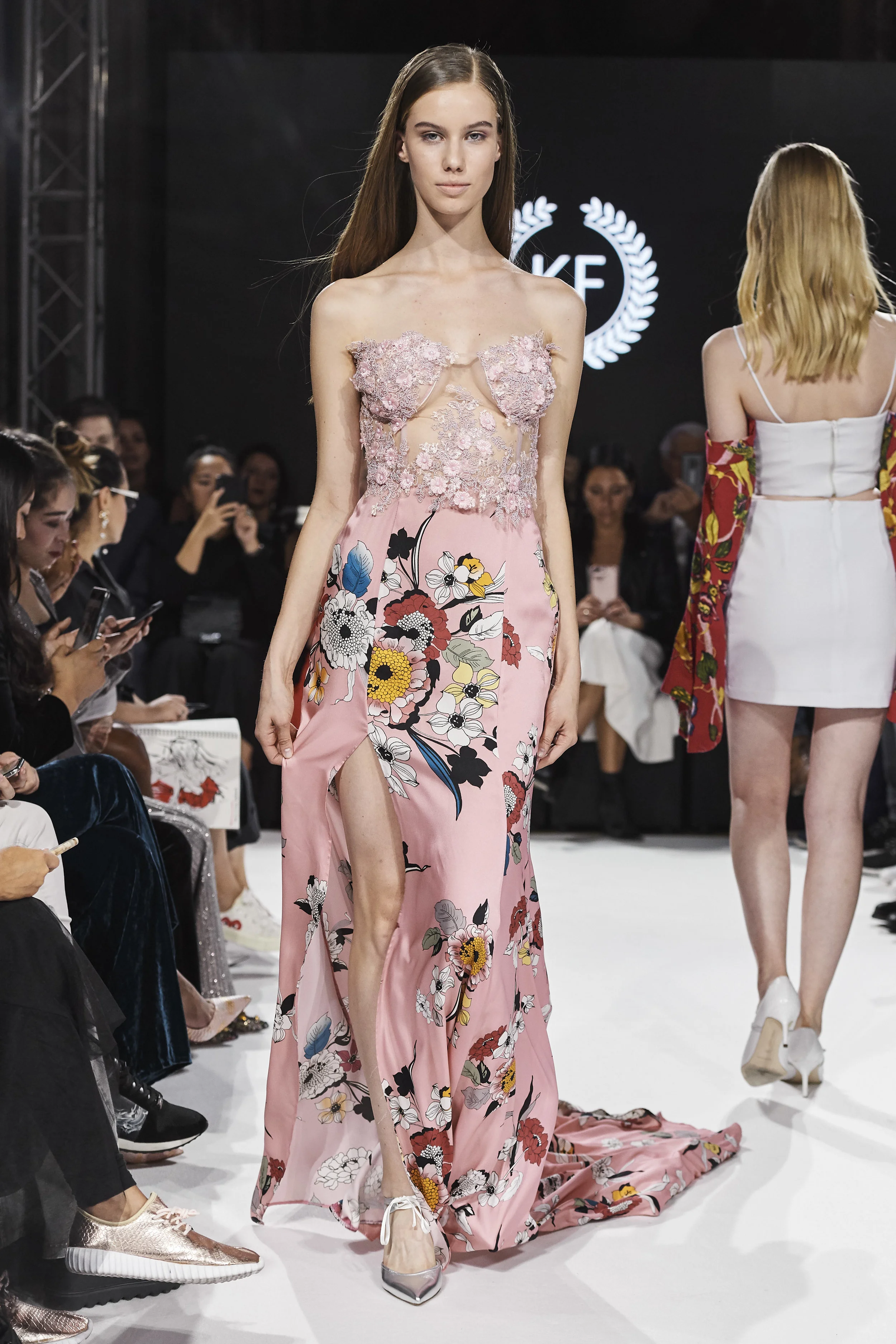

Becha

BECHA
Urban and unique. Based in Zadar Croatia. Becha design is showing you new way of urban elegance. Handmade fashion pieces full of details.
Collection SS2020 PEARL VIBE is inspired with sea, waves and summer breeze.
Main material is tulle, organza and silk all made in romantic story with strong vibe.
Transparency and ruffles all together in fashion game.

BECHA

Honòria 1930

HONRIA 1930
Women are born allowing themselves to be happy with who they are and confident. From clothing comes permission and love. This is how Renata works and it is on this great pillar that Honoria has been born. Moreover, the great story that dives heart to this construction is that of her relationship with her grandmother Honoria. A meaningful phrase is when Renata says: “My grandmother used to sew to make the house beautiful”. And she highlights the perfectionism and care with which the pieces were made by her grandmother.


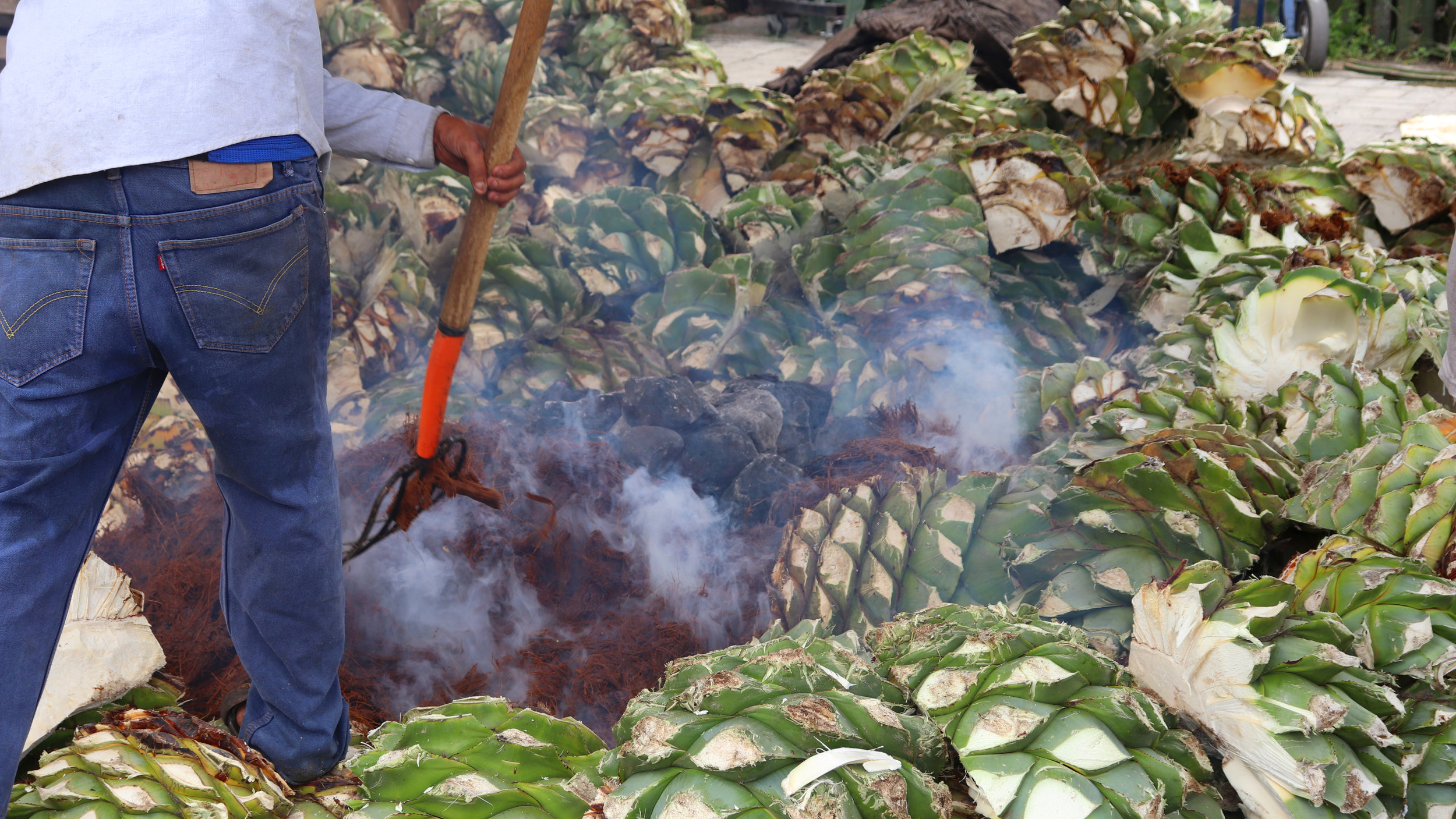
Mezcal is Stealing Hearts-Experience Why at 'Vive Mezcal'

Vive Mezcal 2019 offers a three-day experience showcasing why the demand for mezcal in cities from New York, to Austin to Los Angeles is reverberating in Oaxacan villages and the families that create this spirit called “elixir of the gods." This upcoming international forum in Oaxaca will have sessions, salons and activities for those in the industry, for enthusiasts and tourists, and provide a cultural adventure to discover why foodies, restauranteurs and grocers want to learn more about mezcal. If you want to get into the business of mezcal there will also be an investors salon and businesses matchmaking. The forum will tackle the challenges of sustainability and how to boost the entire supply chain.
“The event is A Perfect Pairing of Culture And Commerce”
The International Forum “Vive Mezcal 2019”, the most important and ambitious project to boost the production, distribution and sale of this spirit in the world, will take place from September 12 to 14, 2019, at the Cultural and of Convention Center of Oaxaca located in the city of Oaxaca, Mexico.
The three-day forum in the capital of the state of Oaxaca is expected to bring together more than 12 thousand people between producers, entrepreneurs, investors, distributors and other attendees who will be able to experience the expo, museography, Master Mezcal Hall, Business Hub , workshops, cultural forum, Invest in Mezcal business meetings, more than 30 artistic and cultural activities, 12 Master Conferences, participation of more than 40 exhibitors and 150 producers of Mezcal, among other activities.
The Vive Mezcal organizing committee is headed by the Secretary of the Economy of the Government of Oaxaca, Lic. Juan Pablo Guzmán Cobián, who has promised that the forum will demonstrate the perfect pairing of culture and commerce and that it “will also take the drink to a new level to become a part of a select group of world-class spirits. “will also take the drink to a new level to become a part of a select group of world-class spirits.”
The most ambitious resolutions are expected to emerge from this momentous event and take the production of the legendary drink known as "the elixir of the gods" to new heights.
“will also take the drink to a new level to become a part of a select group of world-class spirits.” -Lic. Juan Pablo Guzmán Cobián

Mezcal, of which 92 percent of its total production is generated in Oaxaca, in addition to gaining widespread popularity, has positioned itself as an attractive world-class beverage and has boosted export growth to 64 countries that now consume the artisanal spirit, often called liquid gold.
Mezcal, which means "cooked maguey" in Nahuatl, a Mexican beverage with centuries of cultural and social evolution, has positioned itself in a brilliant way showing exponential growth over the last six years with the number of exported brands increasing 195 percent and reaching countries including the USA, Spain, Germany, France and England among others.
With more than 300 brands and 150 mezcal producers participating, “Vive Mezcal” will be the first International Forum for innovation, business, culture and tradition, surrounding this beverage.
Registration for those interested in attending is free at: ViveMezcal2019.com.

The American Mixologist uses Mezcal more frequently
Beauty Tips Men & Women Have In Common

1. EYES -
Every person should have and eye cream . The metal tips on many eye creams help deflate puffy areas by cooling the skin, which theoretically constricts blood vessels. But you can get the same exact effect by just stashing any old eye cream in the refrigerator. You can do this with your hydrating cream, but it works with any formula. The fridge is also a great place to stash nail polish, as it keeps it from thickening over time.
Also ICE ICE ICE
You can see more on eye care on www.consumersadvocate.org/eye-cream
2. LIPS –
Exfoliate your lips and don’t underestimate the power of a lip moisturizer. Lip balm is the most versatile product you can have on you. You can moisturize cuticles and elbows.

3. FACE –
Your hands are dirty Don't touch your face unless you have to and you don’t have to.
Keep your hands clean This is not just about keeping hands clean A hand sanitizer doesn't count. Your hands are REALLY dirty. Anytime you touch your face you're actually leaving germs behind, and creating a potential zit minefield.
4. SKIN-
SPF is the best anti-aging tool you can own and The best defense against oily skin is an offense of face oils.
"No matter how well you dress, how nice your haircut is, and how healthy you are, if you have skin that is dull and freckly and blotchy you're not going to look your best," says Jeffrey Dover, MD, an associate clinical professor of dermatology at Yale School of Medicine
Proper skin care isn't just about looking young; it can also prevent deadly skin cancers. More than 1 million new cases of skin cancer are reported each year, according to the American Academy of Dermatology. Nearly 8,000 of those cases are fatal.
Grapeseed oil is lightweight and full of antioxidants, making it ideal for pre-sunscreen hydration. Tea tree, can actually fight buildup, bacteria, and inflammation. Some oils even have acne-fighting properties. Don’t just apply the antioxidants, eat them too. I eat papaya, pomegranate and watermelon. Look for the antioxidant foods that are in season.
5. HAIR -
Use conditioner it helps to fill holes in the hair cuticle, preventing any further breakage from forming.
You may have heard that guys don’t need conditioner. If your hair is under two inches, you might be able to get by without using it, but if you have longer hair, you’ll definitely want to add a bottle of conditioner to your shower shelf. Conditioner will add back any moisture your shampoo strips away.

6. BROWS –
Embrace the brow wax. Ladies shouldn’t be the only ones grooming their brows. To really enhance their facial features, guys should pluck and groom their brows. Keep the unibrows at bay by plucking on your own. The difference is in the shape for men it’s just about a handsome shape and cleaning. For women, a softer romantic shape and lining. To really get the perfect shape visit a professional for a waxing. A good waxer is like finding a good tailor, it takes time. This might be difficult for men to find the right person as some waxing places don’t really do a good job with men waxing. Make sure you know their work first. But also try several places until you find one you feel comfortable with.
7. WRINKLES-
In addition to keeping skin moisturized, your diet will help keep wrinkles to a minimum. Watery fruits and veggies help with hydration, which keeps skin youthful. Add watermelon, tomatoes, cucumbers and lemons into your diet. Also eat more cabbage. It contains vitamin C and vitamin A, both of which help erase lines. It helps detoxifies the blood, and the fiber in cabbage pushes waste and toxins out of the body. Toxins can actually show up on your face, making you look older than you are.
8. TEETH –
WHITEN YOUR SMILE.
Your smile is one of the first things people notice about you. Healthy, white teeth not only look nice, but they’ll save you time and money at the dentist’s office. Brushing, flossing and using mouthwash on a daily basis lowers the risk of gum disease, cavities, bleeding and infections. These can cause serious damage down the road. If you smoke or drink a lot of coffee, talk to your dentist about whitening options.
Find a NonGender skincare product that you and the female in your life can share. We recommend Uriel Saenz SkinLAB , find it at www.urielsaenz.com
This Dreamy Album Is Kali Uchis's Serenade To Us For All Our Summer Moods

Summer is here, and having a sumptuous soundtrack matters.
Kali Uchis’s Isolation album, released this spring, has had some time to simmer: The flavors are now a perfect blend of sonic deliciousness, ready for the bright, dreamy days and nights of summer. (For the record, critics were quick and generous with praise for the project when it first dropped.)
This intro, though:
Isolation is Uchis’s debut album, riding up behind several projects, like a mixtape, EP, music videos and collaborations. One of the achievements of Uchis’s music is a consistency with speaking boldly about American realities and her experiences. A bicultural young artist, she was born outside Washington, D.C., and grew up in the U.S. and Colombia, her parent’s native country.
Her vocals are soulful and moody, and she really impresses the crowds and critics with being able to cruise — with plenty of ease — through a spectrum of genre inspirations: bedroom pop, reggaeton, retro soul, funk, bossa nova.
Picking from the album's variety, these are the songs that you’re going to want to cue for all the summer moods and situations:
Backyard/Garden Parties
“Just A Stranger” is a smooth bop with a faded ice-cream truck jingle.
A Pick Me Up When You’re Feeling Some Kind of Way
“After the Storm,” featuring Bootsy Collins and Tyler, the Creator, is a groovy, downtempo pep talk of sorts. Favorite lyric: If you’re looking for a hero/ Just look in the mirror.
Relaxing by the Pool
“Nuestro Planeta” is a chill reggaeton love song en espanol.
Immigrant-American Summer
“Miami” tells a story of the immigrant experience in the U.S., and low-key exorcises some of the disrespectful words that they have to hear sometimes.
Summer Love
“Flight 22” is a retro do-wop-inspired romantic ballad.
“Killer” packs syrup-sweet, languid vocals about a love affair squashed.
“Feel Like A Fool” could literally be an homage to Amy Winehouse.
Want to go deeper into the wondrous world of Kali Uchis? Watch "24 Hours with Kali Uchis" by our friends at Vogue.
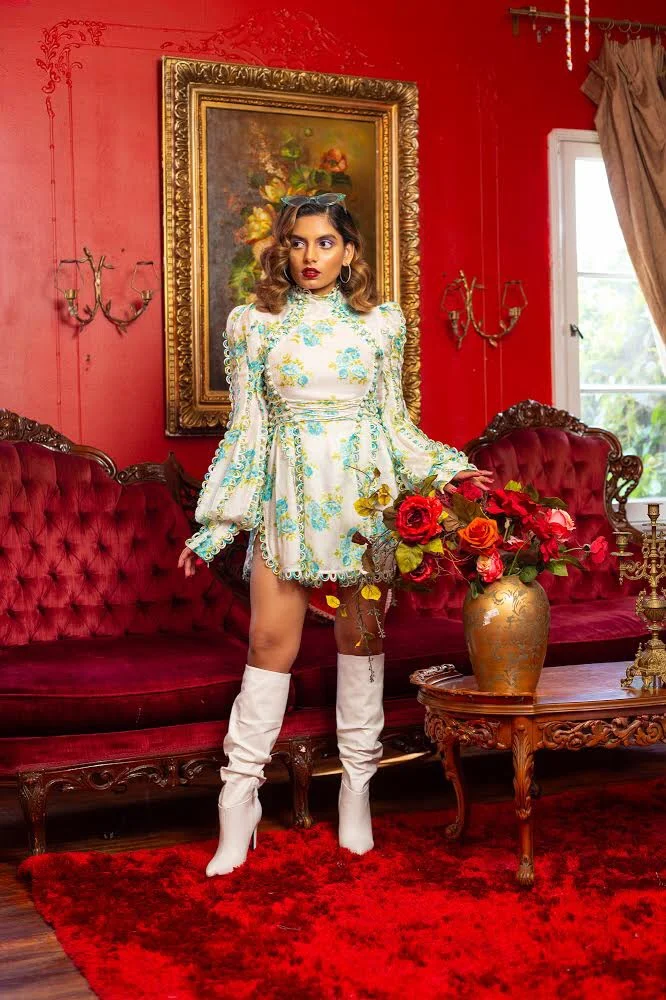
Give A Hand To Shannon K. A New American Beat

Photographer: Marcel
Hair : René Cortez Make uo : Ashley Joybeck
Stylist : Desiree Morales
US LIFESTYLE Magzine caught up with Indian-American singer/songwriter Shannon K. As the daughter of Bollywood music legend Kumar Sanu she has performed on big stages singing with her father. She is now making waves , in America, on her own stage. Shannon K tells us a bit about her fresh American beat. This is what she says in our exclusive Q/A.
How would you define your American Experience ?
America is a land of dreams where everyone is accepted. It’s a positive diverse place which not just embraces but also gives freedom to people no matter of the culture, orientation or choices. I love America and so far my experience has been quite positive. However I think that Im just starting to really be where I’ve wanted to be career wise and mentally so maybe I’ll be able to answer this question better a year from now.
What is your main contribution to America?
Since I was born in India and raised in London, I want to not only infuse my Indian heritage into my music somehow but also infuse what I learnt growing up into the music I create now. I think one of the greatest things about having lived in more than 2 countries is that I can have a non-biased standpoint on how and who I want to make my music for. I think an artist’s environment has a lot to do with that. That’s probably my contribution to people here, a change maybe.
“Coming to America opened a new portal for my music because there’s so much to try here. You’ve got people who celebrate themselves through pop music and you’ve got people who celebrate love through Alt music.”
How has someone elses culture enhance the way you approach your work?
As I mentioned earlier, growing up in London definitely changed the way I approach music especially when I think about comparing it to how my music would be if I had grown up in India. Coming to America opened a new portal for my music because there’s so much to try here. You’ve got people who celebrate themselves through pop music and you’ve got people who celebrate love through Alt music. Because of the diversity here, it’s easy to use a Latin tone in your songs which I plan to do with respect to the Latin Americans here.
How important is it to you to experiencing others culture ?
The most important thing to me is embracing my own culture. I respect all cultures but there’s certain things that I don’t agree with. Instead of picking and choosing good and bad things from each culture, I make my own culture a priority for me. There’s also many normal things that are considered wrong in some cultures like hairstyles, clothes, etc which I’d rather not argue with anyone about which is why although I respect other cultures, I’m going to stick to embracing mine as I feel it’s the safest to do so politically and emotionally.
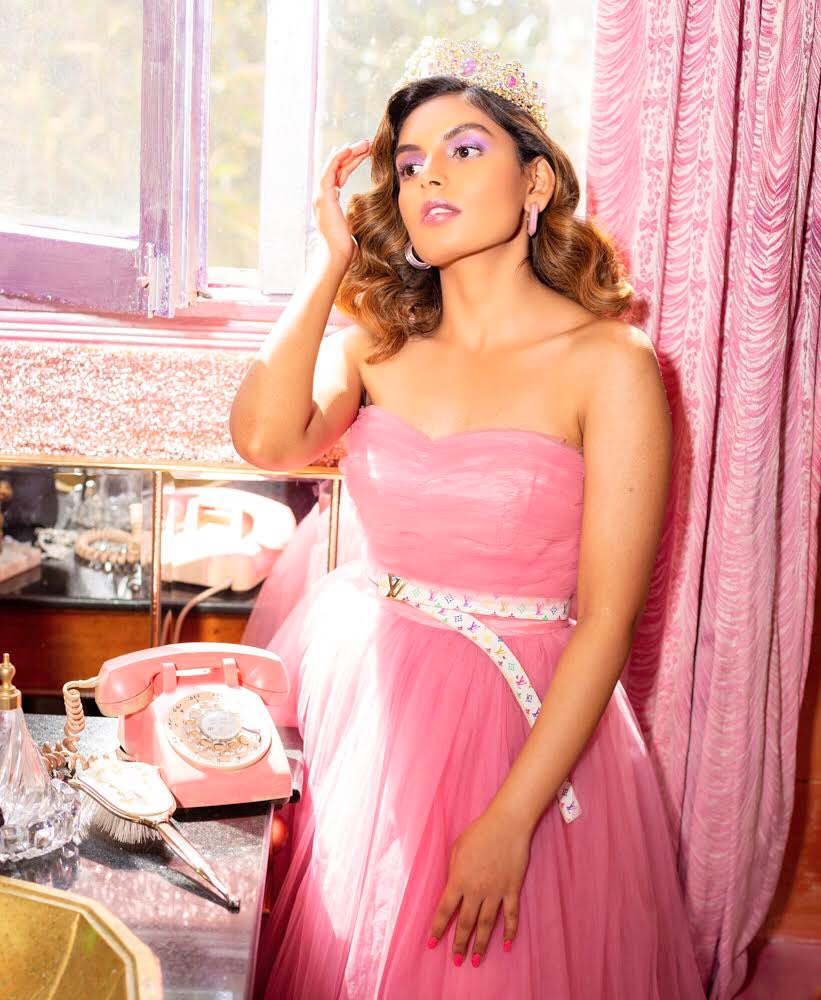
Photographer: Marcel
Hair : René Cortez Make uo : Ashley Joybeck
Stylist : Desiree Morales
“… my mother has always taught me that beauty lies within simplicity, that grace is the best jewelry a woman could wear.”
What shapes your personal style?
I think what shapes my personal style is being trendy and fashionable but also keeping my self respect at the same time. I don’t believe in exposing myself too much, and it’s absolutely fine if anyone else feels they want to do this as for them its not the way I see it. I think it’s because my mother has always taught me that beauty lies within simplicity, that grace is the best jewelry a woman could wear.
How would you describe the current US lifestyle?
There’s definitely freedom in everything here including speech etc and it’s also very plant based. I’ve noticed that living here makes you confident which is great.
When have you used your platform to impact social issues?
I’ve always used my platform to speak out on social issues such as animal equality, bullying, and world hunger. Recently, I was made to be the ambassador of World Food Program USA which helps the woman, children, and men who are dying of starvation or are malnourished. I supported UNICEF Sudan against the rule of child labor and child soldiers.
What food connects you to both your heritage and your nationality ?
I love Cottage Cheese Tikka (Paneer Tikka) and Lentil soup which are popular both in India and in America.
How has your age help or hider your professional growth ?
My age has definitely hindered with my professional growth because a lot of time my words are overlooked by producers or other people in the music field as they think that I’m just a kid and I wouldn’t know any better. It’s a complicated thing to be a young artist.
Who has the biggest influence on you? Who do you admire today and why?
I’m super inspired by Beyoncé. I’ve always been and she’s my goal as an artist. I think of her as a goddess when she’s on stage. She can do what no one else can and it’s truly inspiring. I think she inspires not only women but also men to some levels. She’s a true music icon.

Photographer: Marcel
Hair : René Cortez Make uo : Ashley Joybeck
Stylist : Desiree Morales
What have you been up to “Lately” and whats next for you?
I have been collaborating with a few people on some new records including a really good friend of mine, Kyle Townsend. I’ve also been working on a few acting projects such as singing a song for a really great and talented director Fernando Ferro’s movie “The Big Feed” with Manolo Vergara and even had a cameo in the movie. On the non professional side, I’ve watched Avengers: Endgame around 60 times now and will till it’s out of the theaters, and recently I went to a Hollywood Vampire’s concert which was absolutely amazing and nearly passed out when I met Johnny Depp, Alice Cooper, and Joe Perry.
Instagram : @Shannonksinger



Thelma Houston To Receive Replacement GRAMMY® Award For Her Hit Song "Don't Leave Me This Way"

After 50 years of performing, 23 albums, and winning a GRAMMY Award for Best R&B Vocal Performance, Houston continues to celebrate her long and outstanding career.
The GRAMMY®-winning R&B artist Thelma Houston will perform at the GRAMMY Museum®'s Clive Davis Theater for an intimate conversation and performance, moderated by Scott Goldman. An Evening With Thelma Houston

Perhaps best known for her number one international hit “Don’t Leave Me This Way,” Thelma Houston will share her inspirational journey that chronicles her illustrious career, by sharing intimate musical stories and behind-the-scenes adventures along with a very special acoustic performance, leading up to her iconic GRAMMY® Award–winning number one pop song "Don't Leave Me This Way."
On this occasion, Thelma will also receive a replacement Grammy GRAMMY Award for her original GRAMMY which was broken in the Northridge, California earthquake in 1994.
An Evening With Thelma Houston will be held on Thursday, January 17, 2019 at 7:30 PM at the Grammy Museum, 800 W. Olympic Blvd, Los Angeles, CA 90015.
This Songstress Straight Outta Hawaii Did A Breezy Cover Of Smokey Robinson’s “Ooo Baby Baby”

When neo-soul/R&B music mother figure Erykah Badu posts an up-and-coming artist on Instagram, we take notice. And we proceed by going on a quick Internet investigation into the origins, life and discography of the songstress we now know as Lina.
The video clip that went viral, thanks in part to Badu’s IG post, is a gorgeous unplugged acoustic version of oldie “Ooo Baby Baby.” Smokey Robinson and The Miracles released the original Motown love song in 1965.
Hawaii’s emerging music scene has been treating us lately with a video series by local artists, namely on the Brunch Sessions YouTube channel. In the “Oo Baby Baby” video, Lina is backed up by fellow Hawaii-based vocalists DeAndre Brackensick and Izik.
In 2017, Hawai’i Magazine featured Lina Robins-Tamure, taking us back to some of the artist’s early days in music. A performance on the Oprah Winfrey Show at the age of 11 — as Paul Robins, pre-transition — gave a national audience just a glimmer of the youngster’s talent that would evolve into Lina’s current-day gorgeous vocals and musical style.
In the interview, she talked about moving between Hawaiian and R&B music. “I’ve been fortunate to have really great support in the Hawaiian music community, but I’m also lucky to have these friends who appreciate the R&B side of me,” Lina said. “I would probably put out a Hawaiian album in the future, but I would definitely love to do an R&B album one day.”
Jus’ sayin’: Whatever genre direction Lina’s first album goes, we need it as soon as she can skillfully and heartedly pull it together.
For now, we can look out for the imminent drop of a recorded project by various Hawaiian artists for Kanile’a ukelele company’s 20th anniversary. Lina is featured on the track called “I Pu’u Lehua.”
You Like To Think Bodegas Have Everything. How About A Boppin’ Radio Studio?

Bodegas are the mom-and-pop-type corner stores in cities like New York that you can roll up to for anything from a Coke to dryer sheets, from fresh ginger to a can of refried beans or lottery tickets. Tell us this: What’s the most unexpected item you’ve bought at a bodega or a corner (liquor) store, and — wow — who knew you could buy that at the little store? It leaves you thinking, What don’t these guys carry?
CNN’s Great Big Story just found a legit radio broadcasting studio at a bodega in BK, NY. How about a sweet and tender bachata? Geovanny Valdez (aka DJ Jova), originally from the Dominican Republic, has set up a studio in the store’s basement to produce an FM radio program.
Valdez isn’t just sharing the livest Latin tunes with the New York area, but he’s also using the power of music to bring people and community together. In this video, he talks about the talk show programming on Relambia FM, and using the radio station as a platform to get locals to show up at events where they could help shape their community’s present and future. And it’s working.
Don’t sleep on these tunes, America. Relambia FM also streams live.
Hilarious Ali Wong Gets With Chef David Chang To Discuss Food Reviews and His New Netflix Series

Yelp, Silicon Valley, startup universe, Shonda Rhimes, somebody, please help us with finding some of the legit foodie spots in our area. How do we cut out the nonsense reviews? Ali Wong and David Chang discuss.
We don't want to know if a homeless guy pressured you to pay him 5 dollars to wash your windshield when you parked. We don’t want to know if the bathroom was clean.
When it comes to reviews about the service: OK, it's key to know if they’re slow. We need to know if they couldn't care less. Is the food bomb or not?
That’s part of why we’re looking forward to David Chang’s new Netflix original series, “Ugly Delicious.” The show premieres on February 23 and will run for eight episodes. The award-winning chef will travel the world with writers, activists, artists and other chefs, who use food as a means to break down cultural barriers, challenge misconceptions, and uncover shared experiences.
In this preview, he sits down with comedienne Ali Wong, known for telling you what’s what:
This Is The Afro-Latina Gorgeousness Taking Our Breath Away Right Now

Puerto Rico will always be the USA's most enchanting territory. The hurricanes of late 2017 were devastating, but guess what? The people of Puerto Rico are rebuilding, giving us a real inspirational example of perseverance and the power of the human spirit.
The islanders call it la isla del encanto. And if you haven't been yet, this Instagram account is just one sampling of the unstoppable beauty that the island is all about.
Photographer Valerie Moreno started the project Afros in San Juan to showcase afro-caribbean beauties who are as much a part of the island's makeup as the media mostly fails to reflect. In an interview with the amazing photographer, Moreno talks about her project being so necessary. This is why we love her: She seeks to learn from the stories of her subjects, specifically her “brown sisters,” and portray their struggles and triumphs that deserve to be presented with authenticity and pride.
Check this out, America. These are just a quick sample of Moreno's posts:


Got A Good Online Clapback Game? Keep It Real When Trolls Come At You

One of today’s persisting questions: How much energy do I really want to put into schooling a troll to let them know my clapback game is on point? On one shoulder, I hear Michelle Obama saying, “When they go low, we go high.” And on the shoulder, I got someone like Chrissy Teigen ready to spout something so good, it’ll get you blocked by Trump on Twitter.
Franchesca Ramsey asks the same question, and she talks about having a constructive, impactful approach. She's a media personality who came up via her hit YouTube channel, featuring socially-conscious comedy. And considering her sizable online presence, we think it’s necessary to hear her specific breakdown on what’s really going on when trolls come at you. She also calls out social media platforms, specifically on definitions and determinations of things like harassment and racial slurs.
Yes, she did just say that in the video above: “Social media is a privilege not a right.” And how about we follow that up with: Use it responsibly, America.
In case you want a little more of Franchesca Ramsey’s story and truth bombs, check this:

Profile on Sonia Kang of Mixed Up Clothing
What was the inspiration for starting your company/brand?
The inspiration for Mixed Up Clothing came from my diverse multicultural experience. I was born to an African-American father and Mexican-American mother on the island of Puerto Rico where we were based while my parents proudly served in the military. After Puerto Rico my family was transferred to the Hawaiian island of O’ahu. Today I am married to my husband who is Korean-American and together we have 4 children we call our “mini global citizens.” As my children grew, I wanted to provide them with an environment that fostered a positive self-identity in relation to their rich cultural heritage. We lived with intention-we surrounded them with books, music, movies, and art that showcased their cultural reality. We believe in “if you can see it, you can be it” mentality because we wanted them to see themselves in all these works. Representation matters and clothing/fashion is no exception. There are traditional garments they could wear during special occasions that reflect their cultures but I wanted them to have something they could wear in everyday life. There wasn’t anything out there in the stores so I designed styles and made them myself. Folks stopped me to ask about the clothing and the cultures represented and that’s when I had my Oprah “A-ha” moment. People felt the same way I did and wanted me to make them items. I was taking orders and was growing quickly so I decided to leave 15 years as a critical care RN and create a children’s clothing line that showcased different cultures from fabric sourced from around the world and turned into fun, everyday garments like dresses, rompers, bibs, tops and bottoms for boys and girls. I discovered that our clothes were our vehicle to teach about cultural diversity and encourage inclusion. In 2011, Mixed Up Clothing, Inc. was founded and the brand has continued to grow and evolve.
Tell us about how doing good for people and/or the planet is a key part of your company’s philosophy.
Mixed Up Clothing began as a way to provide my children with clothes that represented their multicultural heritage but evolved into much more. It melded my passion for community service and advocacy, which is built into my business plan. I work in the multicultural and multiracial space creating opportunities and seeking representation for these communities. As VP of a non-profit organization called Multiracial Americans of Southern California (MASC) with over 25 years in existence, one of my roles is to put on educational programs on such topics as race and identity. Proceeds of Mixed Up Clothing’s sales go to support the wonderful work MASC does. Our mission is straightforward: the multicultural community is here, has been here and not going anywhere. I am doing my part to bring awareness to this underrepresented community to the forefront. One of my goals is to have adequate representation for this community and I am proud to be one of the voices leading the way.
What role does community play in inspiring, starting or helping your company grow?
Showcasing cultural diversity is our focus here at Mixed Up Clothing, Inc. but it comes via different forms. There’s the fashion arm, which is Mixed Up Clothing where the clothing tells a story and provides a fun way to highlight diverse cultures. Then there’s MultiCulti Corner (MCC), which I co-founded with my publicist, Delia Douglas, of DDHPR. We love L.A and love that we have so much cultural diversity here. We wanted to take children and their families to the different ethnic enclaves and cultural experiences that go on in our city so we started MCC to do just that. We explore areas like Chinatown, Little Tokyo, Little Ethiopia to encourage children to learn about the many different cultures we share our world with. We listen to music; try different foods and listen to storytellers share their history.
We understand that not everyone has access to travel, but we are fortunate to live in L.A where you can spend lunch eating galbi in Koreatown and end the day eating ramen in Little Tokyo. We didn’t want to stop there. Delia and I started Mixed Heritage Day, which is a day for celebrating those that are in interracial relationships; transracially adopt or who identify as multiracial.
We are keenly aware that the multiracial community is one of the fastest growing populations and we wanted to commemorate this fact by having a day where we can celebrate with others in a day of community. For the last two years we celebrated Mixed Heritage Day at Dodger Stadium and hosted hundreds of attendees including celebrities, influencers and sponsors who believe in our mission. Mixed Up Clothing grows through these grassroots efforts to build community and we’re proud of the work we have done so far but there is still more work to do. We are excited about the future.
What obstacles or challenges have you and your company had to overcome, particularly considering things like social/eco impact or running a small business.
Being a solo entrepreneur of Mixed Up Clothing is challenging. Financial resources are tight so I am the designer, bookkeeper, sales representative, customer service, fulfillment and shipping. It’s challenging spending time on all duties but finding access to capital has by far been the most challenging. The lending and venture capital systems are difficult to navigate and come by.
What’s next for you and the company?
Mixed Up Clothing, MultiCulti Corner and Mixed Heritage Day are excited for the future. We are primed for growth in the multicultural space from a market perspective and socially. We aim to be in more boutiques across the U.S and abroad. We are honored to be seen as the folks to watch in the multicultural/multiracial milieu. As an expert in this field, I will continue to be a positive voice for our community and raise awareness. I will continue to speak on panels, do interviews, write for various media outlets and consult as needed in order to further the opportunities for this community. My dedication to diversity and inclusion is unwavering and I’m ready to put in the work necessary to make things better for future of our children.


Profile on Loft and Bear Vodka with Paul Elliott
What was the inspiration for starting your company/brand?
I've always felt a strong desire to pursue those things that bring you personal fulfillment, regardless of its perceived value in society. When I started writing my business plan for Loft & Bear, it was partially a f*ck you to the philosophy of my parents', and my friends' parents', and their parents' parents' ideology of needing to choose a safe career — a doctor, a lawyer, getting your MBA, etc. I just couldn't subscribe to that thought process, and, at the time, I was the purveyor of many of the good times that those same friends would end up having in between studying and all-nighters for those same higher-education programs.
Vodka was my passion, it was literally what I brought to the table. I thought it would be much cooler to do it for myself. As you grow your business, you build confidence and the comfort to do more of what feels right, thus the give-back aspect of Loft & Bear. Giving and doing the right thing is fundamental. What we do at Loft & Bear is our small piece of that moral obligation.
Tell us about how doing good for people is a key part of the company’s philosophy.
At the core of Loft & Bear is our "distill. drink. donate" program. Under this program, we donate 5% of our gross profits to PATH (People Assisting the Homeless). If you've ever driven through Skid Row in downtown L.A., you know it's absolutely devastating; something no human being should have to endure, especially when it's a stones throw from the current cultural boom that is the Arts District. That said, giving back to an organization such as PATH, whose goals are to reduce the poverty and reverse the downward trend of these types of communities, is paramount. Whether it's moving displaced families into new homes, or participating in community activities, it's an important aspect of Loft & Bear culture to play our part in giving back.
What role does community play in inspiring and helping Loft & Bear Vodka grow?
Family is very important to me. Consequently, I treat my business team like family. These characteristics come out in how we interact in the community, the friendships and business relationships we develop with customers, and ultimately how people perceive Loft & Bear. The community that supports us and has been with us throughout our short journey plays an essential role as we continue to grow. They are our foundation. As a small company, we're always striving to learn more about our customers and continue to enrich their lives, one delicious Loft & Bear cocktail at a time.
What obstacles or challenges have you and your company had to overcome, particularly considering things like social/eco impact or running a small business.
Cashflow, but every business owner knows that already. Honestly, right now we're really trying to hone in on our brand identity. It's tough to lift up the hood and really see what's going on in your business when there are so many moving parts. Societal influence is changing so rapidly due to social media and other platforms; it's really forcing us to know where to double-down and figure out what's at our core as we grow. It's exciting AF, but it makes me a little anxious all the same. The great thing is, we can try to have some fun with what we do. That's why I started this business: to take risks, enjoy the people I work with, provide people with a product/service that they need and enjoy, and hopefully uplift the community and encourage a few others to strike-out and do the same.
What’s next for you and the company?
More fun. More life!


Profile on Kirrin Finch
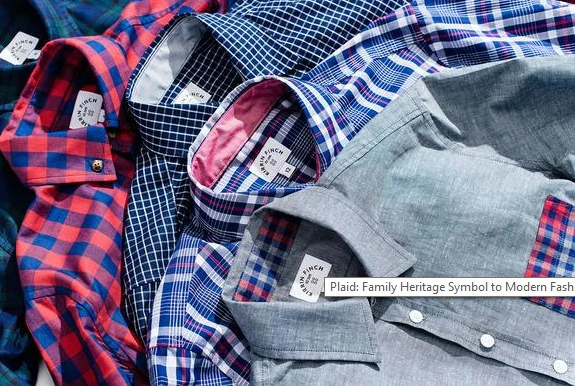
Kirrin Finch meets the growing demand for gender-defying fashion by creating menswear-inspired apparel designed to fit a range of female bodies. The brand decided to join the movement that rejects traditional stereotypes and instead give people the freedom to be their true selves. Empowering the LGBTQ community is at the core of who they are and what they do.
As society continues to evolve and embrace diversity, fashion labels are also honing their approach to catering for LGBTQ consumers. Insert Kirrin Finch, a clothing company founded by Brooklyn-based couple Laura Moffat and Kelly Sanders Moffat. They created a collection of menswear-inspired button-ups designed to fit the female body. At Kirrin Finch, empowering the LGBTQ community is at the core of who they are. The name itself, Kirrin Finch, was inspired by iconic fictional tomboys Georgina Kirrin from “The Famous Five” series and Scout Finch from "To Kill A Mockingbird."

In an effort to make their consumer feel as unique and special as they believe each one is, the brand prides itself on custom fits and detailed design that stands out from the ill-fitting menswear or overly frilly womenswear out there.
Since the fashion industry is one of the most pollutive industries, second only to the oil industry, Kirrin Finch believes it is essential for the brand to have environmentally sustainable practices. Incorporating organic options and low impact dyes makes their apparel friendlier to the earth and to the people making (and wearing) them. KF has done meticulous research and makes due diligence to have sustainable practices by manufacturing their designs locally, utilizing all-natural fabrics, and keeping jobs in the USA.


Profile on Alexandra Hart Jewelry Design
What was the inspiration for starting your company/brand?
I realized during high school that there was no doubt that metal was going to be my voice in the arts from that point on. After grad school, and a wonderful apprenticeship with a goldsmith, it seemed only natural to start a business myself. So I guess that means metal (the medium of my message) was the inspiration. A combination of my professional, technical, artistic skills and visual inspiration by natural world served as the basis for my brand. Since founding it in 1995, the business plan has changed with the times, but the vision has remained the same: responsibly produced, content driven, limited edition and one of a kind fine art-jewelry and sculpture.

Tell us about how doing good for people and/or the planet is a key part of your company’s philosophy.
I have long been concerned for the environment and the living things in it. Again, it is a part of who I am, so the business reflects this. Currently, I'm president of Ethical Metalsmiths, an international jeweler network, and I work hard with my colleagues to improve the jewelry industry, from within and from an educational standpoint. I first became a member of EM when it was unpopular to talk about mining and sourcing!
I also serve as Secretary of the Board of Compassion for African Villages, a nonprofit founded by a friend who was human trafficked from Zimbabwe. Their mission is to improve sustainable, equitable educational resources for rural villages across the continent. I'm a former president of WJA San Diego chapter, and have served on their National Scholarship Board helping to support women in the industry with scholarships and grants. I mentor teenage girls, serve to inspire middle school girls to enter careers not often occupied by women, and I train apprentices whenever I can.
What role does community play in inspiring, starting or helping your company grow?
I wish there was more diversity in the jewelry biz! Most of the industry is old school: origins in family business. This has not meant much opportunity to break into the industry. I am NOT from a family business so I learned how difficult it is to get in, simply with my education and background. My work with WJA Scholarships and Grants has been the most direct way to support diversity in our industry. Outside the jewelry world, I support community by doing fundraiser events, appearances in galleries and museums, shows for a cause, public demos, donations to auctions, etc.
What obstacles or challenges have you and your company had to overcome, particularly considering things like social/eco impact or running a small business.
As a small business, I can be more flexible and adaptive with the direction of the company, but at the same time I rely on major market forces which effect me directly. Market prices of precious materials can change rapidly, and running a wholesale business, with only half the margins, and more static pricing leaves me in a pinch sometimes. Pricing for eco/fair trade/responsible/traceable materials is sometimes more costly, but I would argue closer to the true cost of production, especially if we want guarantees and fair wages! In fact, it's not much more costly as people may think to do good. And, I use 100% reclaimed and recycled precious metals, which are no additional cost at all. These are further arguments for remaining an indie biz, where I can directly and personally address my clients needs and desires.
What’s next for you and the company?
With my exhibition "Symbiosis" now up, I am looking to travel with the show. show!
This exhibition is inspired by natural symbiotic relations. In each piece, I strive to achieve an “aesthetic symbiosis” of abstract sculptural ideas, traditional jewelry forms, and the human body. I designed each piece to act on the body as if it were a distinct organism living with its host. Each work offers the wearer and the viewer an opportunity to ask: “How do I relate to my jewelry?” In creating much of the work, I collaborated closely with my colleague Tea Ninkovic, a couturier. In addition, the Sparks Gallery has long encouraged the ideas expressed in this show. My art has always been inspired by the marvels of life and biological science. I offer this exhibition as a tribute to the symbiotic relationship between art and science.
My work, my company and my service will continue to evolve and keep up with the times, serving those who are curious, intentional, and in need around the world.


Profile on Guise Etiquette with Paul Andersen
Guise Etiquette is a naturally formulated men's luxury brand that believes your largest organ needs an engineered personal touch. Caring for the planet and skin health is more than just an adopted philosophy, it's what they're in business to do. Every ingredient in their products is from a plant, mineral, the ocean, or other sources directly from nature.
What was the inspiration for starting the Guise Etiquette brand?
After a lot of market research and trying out different products, we realized that there wasn't a strong men's brand that brought together skin care and grooming with health and wellness. The few that do have a very weak story and don't really seem to support men the way that we felt was needed, which is to empower and validate them. So, after a lot of trial and error, plus a bit of sweat too, a makeup artist and registered nurse created a brand of grooming products that directly integrates natural elements with evidence-based ingredients to promote healthier skin and an overall better look and feel.
Since we started, we've grown to understand our market even better, and have narrowed our focus to how we can provide the absolute best shaving experience and results for men.

Paul Andersen, COO and Co-Founder of Guise Etiquette.
Tell us about how doing good for people and the planet is a key part of your company’s philosophy.
Sustainability is the first and primary way we do good for our planet. We use natural and biodegradable ingredients from sustainable sources and place them in recycled or recyclable packaging (amber glass bottles, kraft paper boxing). This is in strong contrast to nearly all our competition who prioritize maximum margins and use cheap plastics, chemical ingredients, and nonrenewable resources.
Our philosophy translates over to business practices in which we try to minimize waste and reuse as many resources as possible. Moving forward, once we can afford to do so, we're going to explore supporting nonprofits that share our vision on clean energy, sustainable modern farming techniques, green urban design, and technology.

What role does community play in inspiring or helping Guise Etiquette grow?
Luckily for us, good skin care is a necessity across all peoples and ethnicities, and this enables us to reach a wide and diverse audience of men across the globe. This degree of diversity is a boon to us since different cultures bring inspiration, such as the skin care movement in South Korea, and challenges, such as some of the unique needs that African skin has. A diverse community of followers and customers provides opportunities for us to continually listen and adapt as our customer base grows.
What obstacles or challenges has Guise Etiquette had to overcome, particularly considering things like impact or running a small business.
Frankly, economic resources are the number one barrier for us. We're a bootstrapped startup and we don't have the fortune that many other skin care and grooming brands have of getting a nice jump start with funding from the formation or validation stages. There are certain advantages to be had for enduring without outside funding, but sometimes it can prove to be extremely challenging as it restricts us from pursuing a lot of different opportunities.
What’s next for you and the company?
We'll grow into the facial hair care market and up to the scalp itself, with hair care and styling. The market for these parts of the body is very robust and growing, and we'll be listening closely to what our customer base wants us to make next, and let them guide us on growth to an extent.


Profile on TransCanWork with Michaela Mendelsohn
TransCanWork has dedicated their efforts to educate, train, and support employers in promoting trans-inclusion. They also work as “an olive branch” of connection and resources to TGNC communities by partnering with them in the search for a safe space in potential future workplaces. Collaboration has been a key element to moving forward in a very positive way.
TransCanWork is knocking down walls and replacing them with bridges. Because the transgender community remains one of the groups most discriminated against in the workplace, TCW has taken on the challenges of showing corporations the pool of talented and motivated workers they are missing out on.
The mission is to promote California as a truly transgender-positive workplace and create a model for the rest of the country to follow. They are committed to helping people of the transgender community find jobs through resources on their website and also training businesses on how to create safe spaces for diversity to prosper. They have built alliances with many different types of organizations to take part in designing transgender inclusion programs as well.
Founder, Michaela Mendelsohn, has over 40 years of entrepreneurial leadership experience as a transgender activist and corporate CEO. She is an in‐demand speaker all over California and partners with committees that share her passion about the cause. One of the latest TCW accomplishments is the passing of the resolution by LA Community College District in May in favor of working to train all teachers, staff, and workforce partners; create a TGNC (transgender and gender-nonconforming) summit; and to make TGNC inclusion a part of the curriculum.
TransCanWork partners with trans job seekers to achieve higher levels of success by providing job readiness guidance. The organization also works with local government and school systems to create inclusion workshops; speaks at events; and is implementing a thorough training program for businesses. The team at TransCanWork are avid believers that through coordination and collaboration, communities of every demographic will benefit from the services they offer.

