

Profile on ECODiversity Magazine with Noemi Lujan Perez
ECODiversity Magazine is run by a network of conservationists, sustainability experts, and journalists with a mission to “stand in the gap for nature.” By giving a voice to leaders in the environmental field, they hope to promote the importance of diversity, including an in-depth look at issues that affect multicultural communities.

ECODiversity is a multifaceted publication that advocates for fostering diversity and inclusion, and provides leaders in the conservation and environmental justice space to voice their expertise in achieving a connection to nature that can build a sustainable future. Their network of journalists, conservationists, environmentalists, and sustainability experts are leading by example to "stand in the gap for nature."
Founded by Noemi Lujan Perez, every issue of ECODiversity Magazine features environmental issues of interest to a multicultural audience. Though topics range from health tips, to beauty, or travel, each in-depth article has an eco-conscious twist.

Since launching in 2017, they have also profiled important figures from many conservation fields that have in turn become founding members of their editorial board. ECOD also delivers a Top 50 Diversity Leaders Award to honor “green” brands or corporations who implement diversity and inclusion practices in their industry. In their efforts to advance their mission, they continue to hold events and showcase innovative eco-solutions to a diverse consumer base.
Educating the next wave of conservationists is key. The heart of the brand is passion and love of nature. The desire to attain a clean and healthy environment for generations to come is the undertone in all ECOD content. They offer a forum where all can be heard, whether it's donating time or expertise, they stride to be a voice and give a voice to others.


Profile on Maxim Thuriere of Enbois Originals
Enbois LLC offers a variety of wooden accessories that are thoughtfully and ethically made. For every sale, a donation is put towards having a tree planted in Haiti's rainforest areas. The brand hopes to combat global deforestation and accessorize the masses at the same time.
The term enbois means 'wooden' and its that kind of material needed for the original, conscious making of each product sold at Enbois Originals.
The long term goal is to intensely advocate for, and embed, a tree planting culture in every country to finally combat global deforestation. Founder Maxim Thuriere feels this cause fits perfectly with the Enbois products and also believes,"...by working with farmers at the local level, we are able to have a greater immediate impact on the community's outlook on the importance of Reforestation. The greatest single weapon against deforestation is awareness...It starts with us."

Enbois sources renewable materials for every product and all are ethically farmed from fast growing woods. The brand hopes that when their products are worn and seen, it will bring even more awareness as well as spread the word of a generation that is conscious of it's environmental actions. In addition to the current projects and aspirations, Enbois has been partnered with the HRDF(Haitian Resource Development Foundation) since 2015 to provide educational learning programs that offer computer literacy opportunities in Southern Haitian communities.
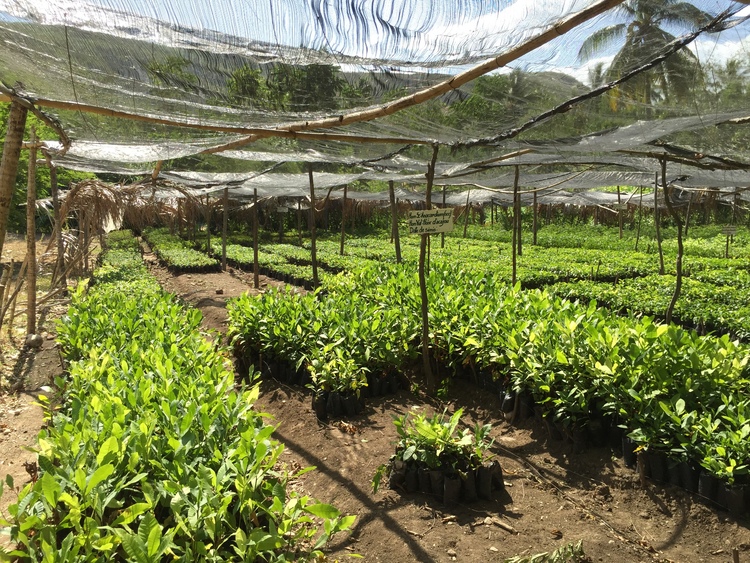
It only costs one U.S.dollar to plant and nurse a tree for Haiti. The Enbois website turns every sale into a donation towards making that happen. Enbois currently partners with two organizations; Grown In Haiti and The Haiti Tree Project, who raise seedlings in tree nurseries until they mature enough to be planted and distributed to local farmers in the country's most deforested regions. A large amount of Haiti's natural rain forests are threatened by deforestation due to charcoal production demands. The Enbois brand is currently funding tree planting in four areas of South Haiti and intends on spreading further across the Caribbean.


Profile on Clean Agency with Seri McClendon
Since 2002, The Clean Agency has been helping organizations run clean operations. They educate businesses to act on their connection and impact on the environment. By helping clients look through a “green” lens, Clean better equips corporations to engage in sustainable practices. Their team of consultants are effective in taking companies to the future – responsibly.
What was the inspiration for starting Clean Agency?
Back in 2002, I graduated from CSULB with a Masters of Industrial Ecology, the discipline and study around product Life Cycle Assessment. LCA calculates several environmental impacts of products and packaging from extraction of materials, manufacturing, distribution, and product use, through end of life. LCA was a fairly new field at the time I was studying it, especially in the U.S., and I was fascinated by the concept.
My previous undergraduate work here in L.A. was in marketing, advertising and packaging. I wanted to combine those two worlds to challenge my marketing clients to see how their products and packages could benefit from LCA and design innovation.
So Clean Agency was born sixteen years ago. I have had the opportunity to offer LCA guidance to an elite roster of clients including Caesars Entertainment, Cisco, Reformation, Nestle and Gerber. Clean agency also provides other sustainability consulting services including benchmarking, goal setting, corporate social responsibility reporting, and educational workshops.

Tell us about how doing good for the planet is a key part of your company’s philosophy.
Our work is really focused on the environmental side of sustainability. Through the years, Clean has internally offered a place for our employees to practice what they have studied so hard for in the real world. Employees are given corporate benefits, ongoing training, and are paid for volunteer hours. By offering this company culture that is in line with the practices we educate our clients on, we can stand by the fact that we practice what we preach. Additionally, we are currently working on becoming a “B” Corp-rated company and hope to complete that process in 2018.
The Clean model emphasizes that LCA, when you look through your manufacturing process and supply chain through a “green” lens you almost inevitably find significant cost savings. These savings are typically energy, water, waste and packaging materials that can significantly reduce environmental impacts, especially within a large corporation.
We have watched as the consumer marketplace rapidly changes — as millennials and their followers vote for their values with their purchases — traditional brands are scrambling to keep up to more conscious brands as customers demand more transparency. Clean provides value when we can help these brands with a long-term sustainability strategy they can share with stakeholders that include employees, customer, shareholders and suppliers.
What role does community play in inspiring, starting or helping your company grow?
Personally, I have lived in L.A. for 25 years and I love it. The diversity, creatively, culture and size make it an important place for Clean to have launched. It’s also important to note that Southern California is a leader in sustainability. So many organizations and companies here are changing for the better.
The diversity of our staff and consultants makes Clean much more competitive because these experts bring a global perspective to many of issues including pollution, climate change and sustainable growth issues.
Our offices are downtown at Impact Hub LA, which supports entrepreneurial social impact centric organizations of all kinds. Through this network I have developed an incredible support system. I also work to connect with other women-owned businesses. We all make a big effort to help each other.
What obstacles or challenges have you had to overcome, particularly considering things like social and environmental impact or running a small business?
My biggest challenge is the corporate sustainability world moves slowly. We started at a time when it was just in its infancy, at least here in the U.S. Much of our work was around education and convincing our clients the value of our expertise. It’s a challenge because within the competitive space you don’t necessarily lose your projects to another competitor you lose it to the client just not doing the project. That was a big lesson for me coming from the marketing world.
Our work is science-based and people’s eyes often glaze over when I explain what we do. I am constantly working to get people excited about improving the environment. It can be intimidating to people not familiar with the space.
My small business challenge is starting a company with a concept that is my passion but realizing that, as it grows, I sometimes get farther and farther away from the work I love because I am focused on the responsibility of business development, finance, HR. Small business owners wear all hats even when we are not necessarily good at or passionate about all of the administrative aspects of the business. Lacking the financing to build a star team is frustrating. This is very common in most small businesses.
What’s next for The Clean Agency?
I have been thinking about this a lot recently because we have been through so much over 16 years, including the great recession. Business is so different today with technology and virtual team building I think this is the best time for Clean. If I can continue to do the important work I am so passionate about and have strong team in place, I will to run the company for many years. From speaking with my colleagues, there is a feeling that this market will begin to grow rapidly based on the new market demands. I still love it after 16 years!

Profile on Magic Room Brand with Vijoy Rao
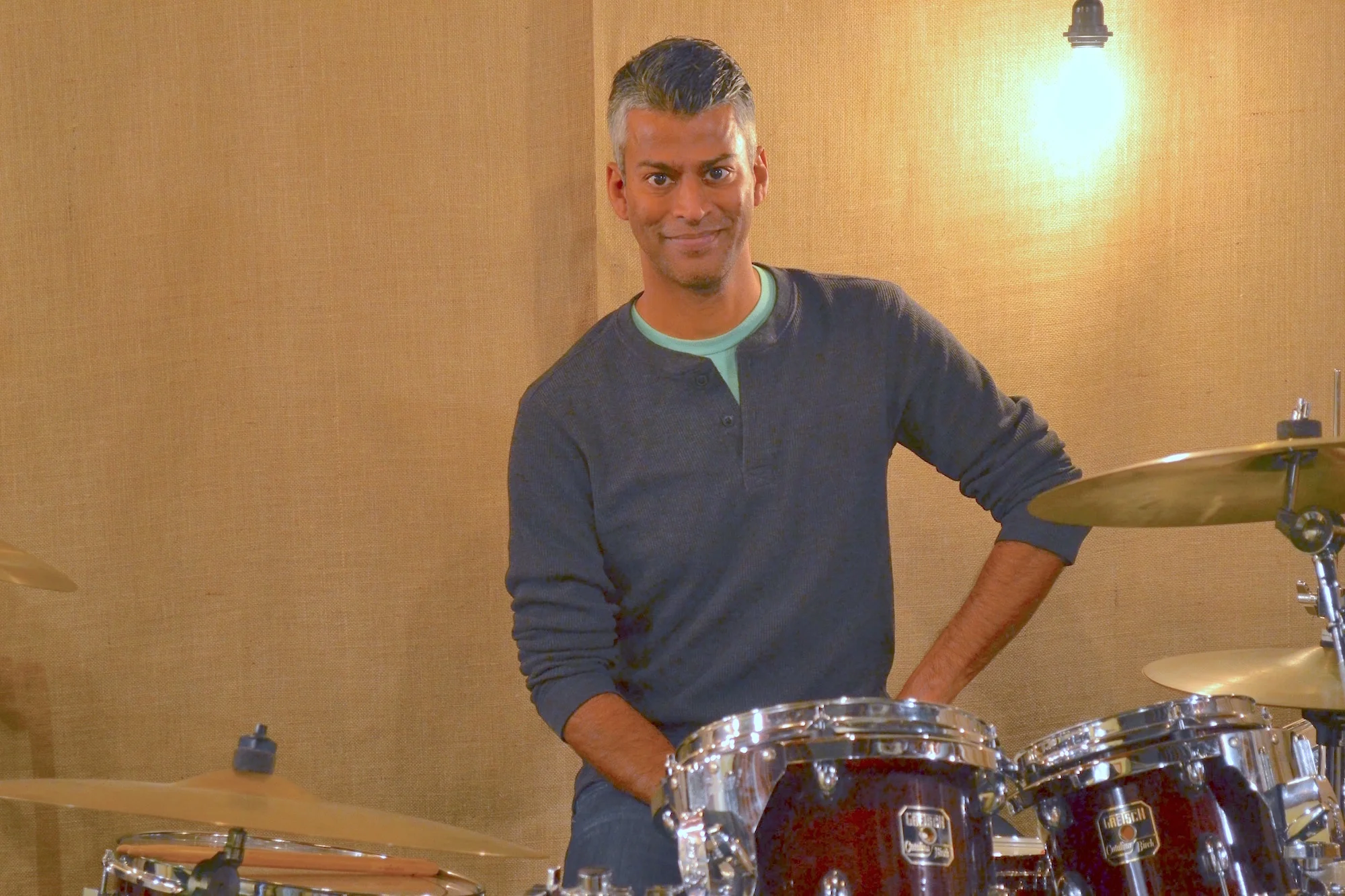
A stellar example of true environmental sustainability that has the potential to rock the culture (pun intended), Magic Room Brand creates guilt-free gear for musicians. They are the only music accessory brand that offers 100% biodegradable drumsticks and guitar picks that are made of the fastest growing, most renewable plant on Earth: bamboo grass.
What was the inspiration for starting Magic Room Brand?
After years of working in a corporate setting, I decided to pursue a business venture that combined my knowledge, my passion, and had a strong market opportunity. Also, I've been a musician for over 30 years, with almost 20 years performing professionally.
It has always been strange to me that although musicians are typically very eco-conscious, the tools and accessories that are made available to us are not. It bothered me that we had to compromise that part of us when we were doing something we loved. From there, I researched and developed bamboo accessories (drumsticks and guitar picks) that are first-class in sound, strength, and sustainability. I started Magic Room Brand in December of 2015, officially launching the online store in October of 2016.
Since launching, the brand has been able to reach musicians all over the world, finally offering eco-friendly accessories for musicians who care how they make what they make. There is no other brand product line that offers these high-quality accessories that are 100% biodegradable.

Tell us about how doing good for the planet is a key part of the company’s philosophy.
The problem is: By the nature of the products, drumsticks and guitar picks eventually wear out and need replacing. Today, drumsticks are typically made of wood (maple, hickory, or oak) and are treated with a chemical lacquer that hardens the material but also removes any biodegradability of the wood. Additionally, production requires the wood to be fully mature which means you still have to cut down a 70+ year old tree. It's 2017 and deforestation is stupid, right?
For guitar picks, they are typically made of plastic and everything in the history of the world that has been made of plastic still exists somewhere in some form. Yeah I know, that's terrifying. That plastic mountain in the ocean is getting hard to ignore.
So the solution we provide: All Magic Room Brand products are made of bamboo grass (yes, grass...not wood). And they're 100% biodegradable when the time comes. Just stick them in the ground and poof, they'll go away completely in a matter of 2-4 months. To complement the actual products, all shipping uses 100% recycled and recyclable materials. The boxes for each shipment are 100% recycled cardboard and Magic Room Brand uses the strong, triple-layered cardboard because it's encouraged to keep and re-use the box for a variety of uses at home. There is even a place to label each box for its new use (chargers, LEGOs, screws, loose change, etc.).
Aside from just resolving the global issue, Magic Room Brand also addresses the issue of creative souls that feel that pang of guilt every time they are doing their passion. Magic Room Brand believes that "when you're doing something you love, there's no room for compromise." Finally, a viable, sustainable option for musicians everywhere.
What role does community play in inspiring, starting or helping the brand grow?
My parents moved to the U.S. from India in the 1960s. Having had to create a life for themselves — and their children — my parents unknowingly instilled a sense of entrepreneurship in each of their three children. I think a strong ethic and desire for making a mark comes directly from them, and I try to put that into play every single day.
As a young online business, Magic Room Brand focuses on differentiating the brand by providing over-the-top customer service. With that, comes a sense of community because every customer is valued and is "in" on the vision and story of the brand. That sense of inclusion and "family" — whether it be a social media follower, a newsletter subscriber, an endorsed musician, a blog reader, a customer, or all of the above — goes a long way when a new brand like MRB is looking to make a difference in a strong and important industry filled with large corporations.
What obstacles or challenges have you had to overcome, particularly considering things like social/eco impact or running a small/indie business.
As a young venture, the main challenge Magic Room Brand faces is raising awareness and "educating" the market as to the benefits of bamboo over traditional materials. I've seen that there are common misconceptions about how Magic Room Brand gear will feel and sound, so there is the process of explaining to the market that bamboo is lighter, stronger, and sounds better. When people try it, they love it.
Because Magic Room Brand doesn't offer the same old product, but instead offers real innovation and a change in mindset, transcending that first layer in the market can be challenging. As an entrepreneur, it's definitely an exercise in patience and perseverance.
Additionally, being a one-man venture is a challenge because there is a lot to do and only so many hours in the day!
What’s next for Magic Room Brand?
Magic Room Brand has enjoyed steady growth over the past year since the online store officially opened. With a growing list of endorsed artists and more traction in revenue, Magic Room Brand will continue injecting sustainability in the music accessories marketplace.
Plans for 2018 include second-generation products including new sizes of drumsticks, new styles of eco-friendly guitar picks, and other musician accessories including guitar straps and accessory gig bags.
